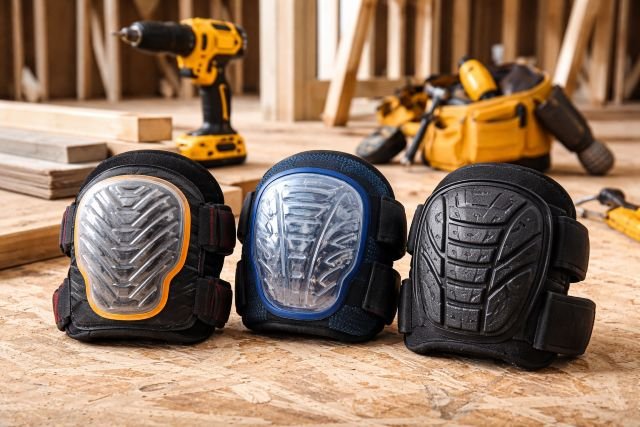
Working on your knees might feel like a normal part of the job, but over time it can quietly turn into one of the biggest sources of pain and long-term damage for tradespeople and serious DIYers. That’s why knee pads for work aren’t just comfort gear. They’re protective equipment that helps reduce strain, absorb impact, and protect you from sharp surfaces that can cause injury. If you’ve ever finished a long day of tiling, framing, or installing baseboards and felt soreness that lasts for days, it’s a strong sign your knees are taking more stress than they should.
- Why Knee Pads for Work Matter More Than Most People Think
- What Makes the Best Knee Pads for Work?
- Types of Knee Pads for Work and Who They’re Best For
- EN 14404 Knee Protection Standard Explained
- Best Knee Pads for Work in Construction Jobs
- Best Knee Pads for Work in Flooring and Tiling Jobs
- Best Knee Pads for Work in DIY Projects and Home Renovation
- Choosing Knee Pads for Work Based on Surface Type
- How to Wear Knee Pads for Work Without Pain
- Common Mistakes When Buying Knee Pads for Work
- FAQ: Knee Pads for Work
- Conclusion: The Best Knee Pads for Work Protect Your Career
Research shows that occupations involving frequent kneeling and squatting significantly increase the risk of knee disorders, especially osteoarthritis. Several studies report that workers in kneeling-heavy roles can face a two- to three-times higher risk compared to those who rarely kneel. This makes construction workers, floor installers, plumbers, electricians, and home renovators some of the most vulnerable groups. Choosing the right knee pads for work is one of the easiest and smartest ways to protect your joints, extend your working years, and reduce daily discomfort.
This guide covers what makes a great knee pad, what type works best for construction versus flooring, how to choose based on your surface and workload, and common mistakes that cause knee pads to fail even when they are expensive.
Why Knee Pads for Work Matter More Than Most People Think
A lot of workers only start shopping for knee pads after their knees begin hurting. The problem is that knee pain in trades often starts quietly and builds gradually. Every time you kneel on a hard surface, your kneecap and surrounding tissues absorb concentrated force. When this happens repeatedly, especially on uneven ground, the risk of inflammation and injury goes up.
Occupational health research links prolonged kneeling to higher rates of knee conditions, including bursitis and osteoarthritis. And beyond medical risk, knee discomfort can impact productivity. Safety specialists often point out that pain reduces focus and increases fatigue, which can raise the likelihood of mistakes and accidents on the job.
Even though regulations vary across regions, workplace safety frameworks generally require protective equipment when there is a risk of injury. For jobs involving kneeling on hazardous surfaces, knee protection is a reasonable and widely recommended part of PPE planning.
What Makes the Best Knee Pads for Work?
The best knee pads for work aren’t always the most expensive ones. They’re the ones that match the specific demands of your job. There are four qualities that matter most when you’re choosing knee pads that you’ll actually want to wear every day.
The first is protection. If you work around nails, gravel, sharp debris, or exposed rebar, you need knee pads that protect against puncture and impact, not just soft cushioning. The second is pressure distribution. A pad should spread your weight across the whole kneeling area instead of focusing it on the kneecap. The third is fit and stability. A knee pad that slides down or twists will force you to adjust constantly, which defeats the purpose. The fourth is surface compatibility. A pad that performs well on concrete may be a disaster on tile flooring, and the wrong type can increase slipping and frustration.
This is why knee pads are not one-size-fits-all. Buying the wrong type is one of the biggest reasons people think knee pads “don’t work.”
Types of Knee Pads for Work and Who They’re Best For
There are several main types of knee pads for work, and each category serves a different kind of job environment. Understanding these differences makes it far easier to choose correctly.
Hard Shell Knee Pads for Work in Construction
Hard shell knee pads use a rigid outer cap that protects against rough terrain and sharp contact points. They are built for durability and are a go-to option for construction, roofing, framing, and exterior work. The outer shell allows you to glide over abrasive surfaces, which reduces friction against your knees and helps you move efficiently.
Hard shell pads are especially valuable when kneeling on concrete, gravel, or unfinished surfaces where puncture risk is higher. The tradeoff is that hard shells can feel bulky and may slip on smooth flooring unless designed with grip features.
Gel Knee Pads for Work in Flooring and Interior Trades
Gel knee pads focus on comfort and pressure distribution. They are designed to reduce fatigue during long kneeling sessions, and they’re often preferred by tile installers and flooring professionals. The gel core spreads weight evenly and reduces pressure points, which can significantly improve comfort over a full workday.
They also tend to be less aggressive on finished surfaces, especially when paired with non-marring outer materials. If you kneel on tile, hardwood, laminate, or vinyl frequently, gel pads are often the most comfortable long-term option.
Foam Knee Pads for Work in DIY and Light Use
Foam knee pads are lightweight, affordable, and easy to wear. They work well for occasional kneeling, gardening, painting, and smaller home projects. Their limitation is durability and protection. Foam compresses over time, and foam pads typically offer less puncture resistance compared to hard-shell designs. They are a practical option for DIYers who don’t kneel all day, but heavy-duty trades often outgrow foam quickly.
Knee Pad Inserts for Work Pants
Knee pad inserts fit into work pants designed with knee pockets. They eliminate straps completely and give consistent protection throughout the day. Inserts are especially effective for workers who kneel intermittently rather than continuously, since they don’t need to be adjusted or removed.
These inserts are often used in systems aligned with the EN 14404 standard, which classifies knee protection by type and performance. EN 14404 Type 2 covers knee pads integrated into trousers, making inserts a popular professional solution.
EN 14404 Knee Protection Standard Explained
If you want a reliable way to compare knee pads, the EN 14404 standard is one of the most practical reference points. EN 14404 defines performance requirements for knee protection, including puncture resistance and pressure distribution, and it helps categorize knee pads by how they are worn and how much protection they provide.
This matters because it prevents guesswork. Rather than choosing knee pads based only on reviews or branding, you can look for certified performance characteristics. Workers kneeling on sharp surfaces often benefit from higher performance levels because they reduce the chance of knee injuries caused by direct pressure or puncture risk.
Best Knee Pads for Work in Construction Jobs
Construction work is usually unpredictable. One day you’re kneeling on plywood and rebar, the next day you’re on gravel, and by afternoon you might be on concrete. Knee pads for construction need to handle impact, abrasion, and puncture exposure consistently, without falling apart or slipping.
Hard shell knee pads are typically the best match for construction environments because the outer cap prevents damage and allows you to move smoothly across harsh surfaces. These pads also create a protective barrier against sharp debris. When paired with wide padding and strong strap systems, they provide both safety and comfort.
A common real-world example is a framing carpenter kneeling repeatedly while securing fasteners near scattered nails and wood fragments. A soft foam pad might compress and allow pressure points to form quickly, while a hard-shell pad maintains structure and prevents direct contact with sharp materials.
For this category, it’s smart to prioritize durable straps, puncture protection, and certification such as EN 14404 when possible.
Best Knee Pads for Work in Flooring and Tiling Jobs
Flooring work is often more repetitive than construction, but it’s also much more demanding on the knee joint because kneeling can last for hours without interruption. The most important requirement in flooring knee pads is pressure distribution. If the pad doesn’t spread your weight evenly, pain builds quickly.
Gel knee pads are often ideal for flooring because they reduce fatigue and help prevent discomfort around the kneecap and shin area. Another important factor in flooring is surface safety. Some knee pads can scuff, scratch, or mark floors. That’s why non-marring designs and softer outer materials are preferred in interior environments, especially for tile and hardwood.
A practical scenario is a tile installer spending several hours setting and leveling tile. A hard cap knee pad might slide or create instability on smooth surfaces, while a gel pad with grip maintains stability and comfort through long sessions.
Best Knee Pads for Work in DIY Projects and Home Renovation
DIY work spans many environments. You might kneel on carpet while painting, then move to a concrete garage floor to fix shelving, and later kneel in the yard while gardening. In these cases, the best knee pads for work are usually lightweight and comfortable enough to wear without feeling overbuilt.
Foam and gel pads are common favorites for DIY users because they balance comfort and ease of use. However, if your DIY projects involve heavy renovation, demolition, or repeated kneeling on rough surfaces, it may be worth stepping up to a more durable hybrid or construction-focused pad.
DIYers often underestimate how quickly knee strain adds up. Even if you kneel only on weekends, the pressure is still significant. The best approach is to choose knee pads that feel comfortable enough that you won’t hesitate to wear them every time you kneel.
Choosing Knee Pads for Work Based on Surface Type
Surface type is a deciding factor that many people overlook. The same knee pads can feel perfect in one setting and terrible in another.
On concrete, gravel, and unfinished construction surfaces, hard-shell knee pads tend to perform best because they protect against puncture risk and resist abrasion. On tile, hardwood, laminate, and other finished flooring, gel knee pads or non-marring pads are usually better because they prevent slipping and reduce surface damage. For mixed surfaces, hybrid designs can offer a balance. For people who kneel intermittently during the day, knee pad inserts inside work pants provide convenience and consistent protection.
Matching the knee pad design to your surface prevents the most common frustration: sliding, pressure points, and constant adjustment.
How to Wear Knee Pads for Work Without Pain
Comfort isn’t only about the pad itself. It’s also about how you wear it.
One of the best adjustments is positioning. Knee pads should sit slightly lower than most people expect so the kneecap rests naturally in the protective zone rather than pressing into the top edge. Another key point is strap tension. If you tighten straps too much, you restrict circulation behind the knee, causing numbness and discomfort. Good fit should feel secure without squeezing.
It’s also wise to vary kneeling posture when possible. Some research shows that protective interventions can affect kneeling movement mechanics, which highlights why combining protection with good positioning matters.
Common Mistakes When Buying Knee Pads for Work
Many people buy knee pads based on comfort alone, and while comfort is essential, ignoring protection can lead to injuries. A foam pad may feel great until you kneel on something sharp. Another frequent mistake is choosing hard caps for interior floors, which often increases slipping and can scratch surfaces. Many workers also underestimate the importance of wearability. If a pad is uncomfortable, you simply won’t wear it consistently, no matter how protective it is.
That’s why choosing the right category matters more than choosing the most expensive model.
FAQ: Knee Pads for Work
What are the best knee pads for work in construction?
The best knee pads for work in construction are hard-shell knee pads that offer puncture resistance, strong straps, and wide pressure distribution. EN 14404-certified knee pads are ideal for demanding jobsite conditions.
Are gel knee pads better than foam knee pads?
Gel knee pads are usually better for long kneeling sessions because they distribute pressure more evenly and reduce fatigue. Foam knee pads are lighter and cheaper, making them better for occasional DIY tasks.
What is EN 14404 certification for knee pads?
EN 14404 is a safety standard that evaluates knee protection based on design type and performance, including puncture resistance and pressure distribution. It helps workers choose professional-grade knee protection more confidently.
Do knee pads prevent knee injuries?
Knee pads reduce direct pressure and impact on the knee, supporting comfort and lowering exposure to factors linked with chronic knee issues. Since occupational kneeling is associated with higher risk of knee disorders, knee protection is widely recommended for prevention.
Are knee pad inserts better than strap-on knee pads?
Knee pad inserts are great for all-day wear and intermittent kneeling because they eliminate straps and stay positioned in work pants. Strap-on knee pads tend to provide stronger protection for heavy-duty kneeling in construction environments.
Conclusion: The Best Knee Pads for Work Protect Your Career
Knee pain isn’t just “part of the job.” It’s often the result of repeated stress that adds up over time. Studies consistently show that occupations involving frequent kneeling carry significantly higher risks of knee disorders and degenerative joint conditions, which makes knee pads for work one of the smartest investments for anyone in construction, flooring, or hands-on DIY.
The key is to choose based on your environment. Construction workers typically need hard-shell protection with puncture resistance. Flooring professionals often need gel comfort and non-marring designs for smooth indoor surfaces. DIYers usually benefit from lightweight foam or gel options unless the work becomes more intensive. For daily tradespeople who kneel intermittently, workwear inserts and EN 14404-based systems offer practical all-day protection.