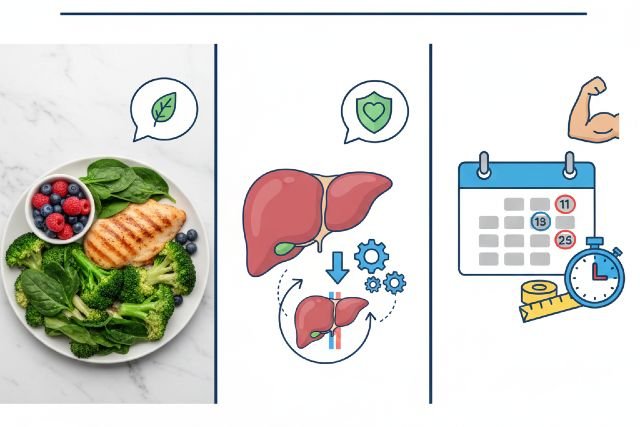
Preparing for surgery can feel overwhelming, and the liver shrinking diet is often one of the last big steps before bariatric procedures. The name sounds intense, but the idea is straightforward: a short, medically supervised, low-calorie (often lower-carb) plan designed to reduce liver size and make surgery safer and easier for the surgeon. Many programs use a two-week window, though some recommend two to four weeks depending on your needs.
- What is a liver shrinking diet?
- How the liver shrinking diet works
- Why a liver shrinking diet helps before bariatric surgery
- Liver shrinking diet vs. “regular” weight loss dieting
- What you typically eat on a liver shrinking diet
- When you’ll see results from a liver shrinking diet
- Common side effects and what they mean
- Safety: who should be extra careful?
- Actionable tips to make the liver shrinking diet easier
- Liver shrinking diet FAQs
- Final thoughts: what to expect
What is a liver shrinking diet?
A liver shrinking diet (also called a liver reduction diet or liver shrinkage diet) is a short-term, very structured eating plan used before bariatric surgery to reduce the size and “stiffness” of the liver — particularly the left lobe that sits near the upper stomach. NHS materials describe it as a diet very low in calories and often low in carbohydrate and fat, used for a minimum of around two weeks in many pathways.
This matters because many bariatric candidates have fatty liver changes. One systematic review notes that up to 90% of bariatric surgery candidates have nonalcoholic fatty liver disease (NAFLD), which can enlarge the liver and make surgery more technically difficult.
How the liver shrinking diet works
Your liver stores carbohydrate in the form of glycogen. When calories—and especially carbohydrates—drop sharply, your body uses up glycogen to keep blood sugar stable. Glycogen is stored with water, so when glycogen decreases, water is released too. That combination can reduce liver volume relatively quickly, which is exactly what surgeons want right before an operation. NHS guidance explains this glycogen-and-water effect as a key reason the liver can shrink on a strict pre-op diet.
At the same time, low energy intake promotes short-term weight loss and can reduce liver fat. A systematic review of low-calorie pre-op diets (commonly 800–1200 kcal/day for 2–8 weeks) found liver volume reduction in the range of 12–27%, with the biggest changes often happening in the early weeks.
Why a liver shrinking diet helps before bariatric surgery
It can make laparoscopic surgery easier and safer
A larger liver can block surgical access to the stomach. Multiple hospital programs explicitly state the goal is to improve access and reduce the chance of complications or conversion from laparoscopic (“keyhole”) surgery to open surgery.
It may reduce complications
A Mayo Clinic summary of evidence notes that very-low-calorie diets (VLCDs) before bariatric surgery have been associated with meaningful pre-op weight loss and liver volume reduction up to ~20% in published research, and cites randomized trial evidence showing fewer 30-day complications after two weeks of VLCD compared with controls in one multicenter study.
It’s a short window with a specific purpose
This isn’t meant to be your forever diet. Think of it as a temporary “surgical optimization phase,” similar to how people stop certain medications or adjust smoking/alcohol habits before procedures. Many bariatric programs emphasize that strict adherence matters because even small “extras” can slow liver reduction.
Liver shrinking diet vs. “regular” weight loss dieting
A typical weight loss plan focuses on sustainability: moderate calorie reduction, balanced meals, and habits you can keep for months.
A liver shrinking diet is different in three ways:
- Timeline is short and fixed. Two weeks is common, and some pathways use two to four weeks.
- Calories are tightly controlled. Some programs use meal replacements or liquid-only approaches to reduce variability.
- Carbs and fats are often restricted. The goal is rapid glycogen depletion and reduction in liver fat/water—more “medical protocol” than “lifestyle plan.”
What you typically eat on a liver shrinking diet
Because protocols vary by clinic, the safest answer is: follow your bariatric team’s plan exactly. Still, most versions share the same pattern: high protein, low energy, and controlled carbs.
Many hospital guides include protein shakes/meal replacements, non-starchy vegetables (in some plans), and plenty of sugar-free fluids. For example, one Johns Hopkins handout describes a two-week pre-op diet built around protein shakes plus lean protein and non-starchy vegetables, and emphasizes hydration.
Some NHS services use liquid-only options (soups/yogurts/milk or meal replacement shakes), plus a daily multivitamin, and specifically warn that diabetes medications may need adjustment during the diet.
If you’re looking for a practical way to visualize the “shape” of the plan, it usually looks like: a few scheduled shake-based meals, strict avoidance of sugary and starchy foods, and consistent fluids—because dehydration makes everything harder.
When you’ll see results from a liver shrinking diet
Most people notice changes fast—but “results” can mean different things.
1) Scale weight changes (what you see at home)
It’s common to lose weight during this phase because calories are lower. Research summaries note pre-op weight loss ranges (often a few kilograms) depending on the exact diet and duration.
2) Appetite changes (what you feel)
Some NHS guidance notes that hunger may reduce after the first few days for some people, though early side effects like lightheadedness can happen, especially if fluids are low.
3) Liver-size changes (what your surgeon cares about)
Liver shrinkage can occur within the first couple of weeks. Evidence reviews describe meaningful liver volume reductions over 2–4 weeks, with early weeks often showing the most change.
If your clinic checks progress, they may rely on adherence, weight trend, or sometimes imaging (varies by center). The key is that liver changes are not always something you can “feel” — they’re mostly about surgical access and safety.
Common side effects and what they mean
Because this diet is intentionally restrictive, side effects aren’t rare. Commonly mentioned issues include fatigue, headache, nausea, “ketone breath” or metallic taste, and lightheadedness — especially early on.
Most of the time, these are signals to tighten up hydration, spread protein intake evenly, and avoid skipping what your plan includes (especially if your team specifies minimum portions). But some symptoms should trigger a call to your clinician immediately, particularly if you have diabetes, kidney disease, or you’re on medications that can cause low blood sugar or blood pressure changes.
Safety: who should be extra careful?
A liver shrinking diet is not a DIY trend diet. It’s a pre-op medical protocol, and reputable NHS materials explicitly advise not to follow it without specialist guidance.
Extra caution is needed if you have:
- Diabetes (especially on insulin or sulfonylureas). Medication adjustments may be required to avoid hypoglycemia.
- Kidney disease or a solitary kidney. Some medical teams modify protein targets to reduce risk.
- History of disordered eating. NHS guidance acknowledges the diet can be challenging or distressing for some people.
If your clinic gave you a specific plan, treat it like a prescription: don’t add “healthy extras,” don’t swap products casually, and don’t extend the diet longer than instructed without medical approval.
Actionable tips to make the liver shrinking diet easier
Consistency is the game here. These small, real-world moves tend to help:
Start practicing your post-op rhythm now. Many pre-op plans use timed “meals” every few hours. Getting used to that schedule can reduce anxiety after surgery, when structured intake becomes even more important.
Front-load hydration. Several protocols emphasize minimum fluid intake; dehydration can make side effects feel worse and can increase constipation risk.
Treat cravings like cues, not commands. Cravings often spike around days 2–4 and then settle for many people. Having a “default response” (water, sugar-free drink, a planned shake at the next scheduled time) keeps you on protocol.
Avoid the “one bite” trap. Many bariatric teams stress strict adherence, because small additions can reintroduce carbs/fats and slow the liver reduction goal.
Liver shrinking diet FAQs
How long do you do a liver shrinking diet?
Two weeks is common, but some pathways recommend two to four weeks depending on your surgeon’s preference and your health status.
How much does the liver actually shrink?
Studies vary by diet type and duration. A systematic review of low-calorie diets reported liver volume reductions of about 12–27%, while other summaries of VLCD research mention reductions up to ~20% in some studies.
Is it mostly water weight?
Early on, a meaningful portion can be related to glycogen and associated water loss, which can reduce liver volume quickly. Over the full period, fat loss can also contribute. NHS materials describe the glycogen-and-water mechanism as a key part of why the liver shrinks on strict low-carb intake.
Can I do the liver shrinking diet if I’m not having surgery?
It’s not recommended as a general-purpose weight loss plan. Bariatric services often caution people not to follow it without specialist guidance because it’s restrictive and may require medication adjustments.
What happens if I cheat on the diet?
Even small additions can reduce the effectiveness of the protocol. Some hospital guidance warns that if the liver remains too large, surgery may become more difficult, may need to be converted to an open procedure, or may be delayed.
Final thoughts: what to expect
The liver shrinking diet works because it targets what makes surgery technically harder: a fatty, enlarged liver — often influenced by glycogen, water, and fat stores. The payoff is practical: better visibility and access for your surgeon, potentially fewer complications, and a smoother path into a procedure that can change your health long-term.
If you’re starting this diet soon, the most helpful mindset is to treat it as a short, structured bridge to surgery rather than a test of willpower. Follow your team’s protocol exactly, prioritize hydration and protein timing, and speak up early if side effects feel severe — especially if you take diabetes medications. Done correctly, the liver shrinking diet is one of the simplest ways to stack the odds in your favor before surgery.