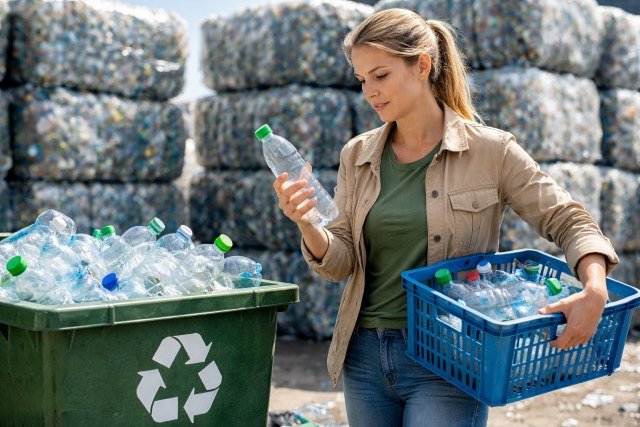
Recyclatanteil is becoming a central metric in modern manufacturing. From packaging labels to sustainability reports, companies increasingly highlight how much recycled material is actually used in their products. But what does Recyclatanteil really mean, and why is it so important for sustainable production?
- What Does Recyclatanteil Mean?
- Why Is Recyclatanteil Important?
- Types of Recycled Material in Recyclatanteil
- How Is Recyclatanteil Calculated?
- The Role of Recyclatanteil in Sustainable Production
- Common Challenges When Increasing Recyclatanteil
- Recyclatanteil and Consumer Trust
- Case Example: Beverage Packaging
- How to Increase Recyclatanteil: Practical Steps
- Frequently Asked Questions About Recyclatanteil
- The Future of Recyclatanteil in Sustainable Manufacturing
- Conclusion: Why Recyclatanteil Matters Now More Than Ever
In simple terms, Recyclatanteil measures the percentage of recycled material in a product. However, its implications go far beyond a number on a label. It affects climate impact, resource efficiency, regulatory compliance, and brand credibility.
This guide explains the meaning of Recyclatanteil, how it is calculated, why regulators and consumers care about it, and how businesses can successfully increase it in their production processes.
What Does Recyclatanteil Mean?
Definition:
Recyclatanteil refers to the percentage (by mass) of recycled material — also known as recyclate — contained in a product or packaging.
According to ISO 14021, “recycled content” is defined as the proportion of recycled material in a product, measured by mass. It includes both post-consumer and pre-consumer recycled material, excluding certain internal process scrap that is reused within the same manufacturing stream (ISO 14021 Environmental Labels and Declarations).
In other words, Recyclatanteil answers a simple but powerful question:
How much virgin raw material has been replaced by recycled material?
Why Is Recyclatanteil Important?
Recyclatanteil is more than a sustainability buzzword. It directly supports the transition from a linear economy (take–make–dispose) to a circular economy.
1. Reducing Dependence on Virgin Resources
Every percentage point of Recyclatanteil reduces the need for virgin raw materials such as crude oil, natural gas, or mined minerals. This lowers environmental degradation, habitat destruction, and energy consumption.
The OECD’s Global Plastics Outlook reports that only around 9% of plastic waste globally was recycled in 2019. Increasing recycled content in products is essential to stimulate demand for secondary materials and strengthen recycling markets.
2. Lowering Greenhouse Gas Emissions
Using recycled materials typically requires less energy than producing virgin materials. For example, recycling aluminum saves up to 95% of the energy required to produce primary aluminum, according to the International Aluminium Institute.
In the plastics sector, the European Environment Agency (EEA) estimates that the EU plastics value chain generated approximately 193 million tonnes of CO₂ equivalent emissions in 2022. A significant portion stems from raw material production.
By increasing Recyclatanteil, companies can significantly reduce their Scope 3 emissions and improve life cycle assessment (LCA) performance.
3. Regulatory Compliance and EU Requirements
Recycled content requirements are no longer optional in many markets.
Under the EU Single-Use Plastics Directive:
- PET beverage bottles must contain at least 25% recycled plastic by 2025.
- All plastic beverage bottles must contain at least 30% recycled content by 2030.
Additionally, the upcoming Packaging and Packaging Waste Regulation (PPWR) will introduce harmonized recycled content targets across the EU.
Companies that fail to prepare risk supply chain disruption and non-compliance penalties.
Types of Recycled Material in Recyclatanteil
Not all recycled material is the same. Understanding the differences is crucial for accurate reporting.
Post-Consumer Recycled Content (PCR)
PCR material comes from products that have completed their life cycle and were collected from consumers. Examples include household packaging waste or used bottles.
PCR is often considered more environmentally impactful but may present greater quality variability.
Pre-Consumer Recycled Content (PIR)
PIR refers to material diverted from waste streams during manufacturing processes. It excludes rework that is reused within the same production line.
While PIR contributes to resource efficiency, regulators and NGOs often prioritize PCR because it directly reduces consumer waste.
How Is Recyclatanteil Calculated?
The calculation is usually mass-based.
Recyclatanteil (%) = (Mass of recycled material / Total product mass) × 100
Example:
A plastic container weighs 100 grams.
40 grams consist of certified post-consumer recyclate.
Recyclatanteil = (40 / 100) × 100 = 40%
It is important to clearly specify:
- Whether the percentage applies to the entire product or a component.
- Whether it refers to PCR only or total recycled content (PCR + PIR).
Transparent calculation methods prevent greenwashing accusations.
The Role of Recyclatanteil in Sustainable Production
Increasing Recyclatanteil transforms production processes at multiple levels.
Design for Recycling
Products must be designed with recyclability in mind. This includes:
- Avoiding multi-material laminates where possible.
- Reducing problematic additives.
- Using mono-material packaging.
Design decisions directly influence both future recyclability and the feasibility of incorporating recyclate.
Supply Chain Adjustments
Recyclate markets are more volatile than virgin material markets. Companies need:
- Reliable supplier partnerships.
- Long-term procurement contracts.
- Clear material specifications.
Consistency in melt flow index (MFI), density, color, and odor becomes critical.
Quality Control and Testing
Recycled materials may contain impurities or variability. Advanced testing, sorting technology, and material stabilization additives are often necessary to maintain product performance.
Companies that invest early in material engineering gain a competitive advantage.
Common Challenges When Increasing Recyclatanteil
Material Quality Variability
Recycled plastics may show variations in color, odor, or mechanical properties.
Solution: Develop technical specifications and use blending strategies with virgin material where necessary.
Aesthetic Limitations
High PCR content can limit transparency or color precision.
Solution: Shift brand communication to embrace “natural recycled look” aesthetics.
Cost Fluctuations
Recyclate prices can sometimes exceed virgin material prices due to supply shortages.
Solution: Secure long-term contracts and diversify suppliers.
Recyclatanteil and Consumer Trust
Consumers increasingly expect transparency. According to surveys by the European Commission, environmental claims significantly influence purchasing decisions.
However, vague terms such as “eco-friendly” without measurable proof can damage brand credibility.
Clear statements such as:
“This bottle contains 50% certified post-consumer recycled plastic.”
are far more trustworthy.
Case Example: Beverage Packaging
A beverage company transitions from 0% to 30% recycled PET in its bottles.
Results:
- Reduced carbon footprint per bottle.
- Compliance with EU regulations.
- Improved sustainability ratings.
- Positive brand perception among environmentally conscious consumers.
Although production adjustments were necessary, long-term benefits outweighed initial costs.
How to Increase Recyclatanteil: Practical Steps
First, conduct a material audit. Identify which components can realistically incorporate recycled content.
Second, collaborate with recyclers early in product development.
Third, test performance under real-life conditions.
Fourth, certify recycled content according to recognized standards.
Fifth, communicate transparently and avoid exaggerated claims.
Frequently Asked Questions About Recyclatanteil
What is the difference between recyclability and Recyclatanteil?
Recyclability refers to whether a product can be recycled at end-of-life.
Recyclatanteil refers to how much recycled material is already in the product.
Both are essential for circular economy performance.
Is a higher Recyclatanteil always better?
Generally yes, but only if product safety and functionality remain intact. Food-contact materials must comply with strict safety standards.
Does Recyclatanteil reduce carbon footprint?
In most cases, yes. Life Cycle Assessments show that recycled materials typically have lower embodied emissions compared to virgin materials, depending on energy mix and processing technology.
The Future of Recyclatanteil in Sustainable Manufacturing
The trend is clear. Governments are introducing mandatory recycled content targets. Investors are evaluating ESG performance. Consumers demand transparency.
Recyclatanteil is becoming a measurable indicator of real circularity, not just intent.
Companies that proactively integrate recycled materials into their products will benefit from regulatory readiness, cost stability in the long term, and stronger brand reputation.
Conclusion: Why Recyclatanteil Matters Now More Than Ever
Recyclatanteil is not just a technical metric. It represents a shift toward responsible resource use, lower emissions, and genuine circular economy implementation.
By increasing Recyclatanteil, companies reduce dependence on virgin materials, cut greenhouse gas emissions, comply with evolving regulations, and build consumer trust.
Sustainable production is no longer optional. Measuring and improving Recyclatanteil is one of the most practical and impactful steps businesses can take today.