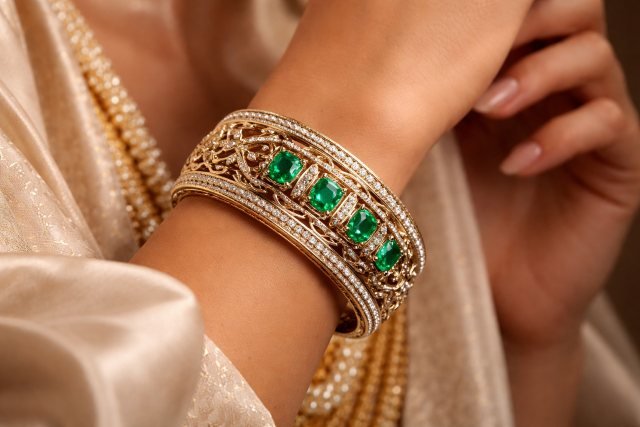
In the jewelry world, few pieces feel as personal and instantly recognizable as the Esclava Bracelet. It’s the bracelet you notice because it says something — sometimes literally, through engraving — while still looking polished enough for everyday wear or a dressed-up night out.
- What Is an Esclava Bracelet?
- The Heritage Behind the Esclava Bracelet Name
- From Practical ID Jewelry to Personal Keepsake
- Design Details That Make It Instantly Recognizable
- Why the Esclava Bracelet Works So Well in High Fashion Right Now
- Materials and Craftsmanship: What to Choose (and Why)
- Personalization Ideas That Don’t Feel Overdone
- How to Style an Esclava Bracelet Without Trying Too Hard
- Buying Guide: How to Pick the Right Esclava Bracelet
- Sustainability and Responsible Sourcing: What to Look For
- Care Tips to Keep It Looking New
- Common Questions About the Esclava Bracelet (FAQ)
- Conclusion: Why the Esclava Bracelet Endures
What makes it special is the mix: a deep cultural footprint, a design that has served real-life identification purposes, and a clean silhouette that modern fashion keeps reinventing. Today, the Esclava Bracelet lives comfortably in both worlds: heritage keepsake and high-fashion staple.
What Is an Esclava Bracelet?
An Esclava Bracelet is most commonly an ID-style bracelet with a chain (or bangle-like form) and a flat central plate that can be engraved — often with a name, date, message, initials, or meaningful symbol. In many Spanish-speaking communities, “pulsera esclava” is a familiar term for this style, and it’s closely associated with gifting, milestones, and identity.
If you’ve seen a bracelet with a sleek nameplate in the center — minimal, bold, and easy to personalize — you already understand the appeal: it’s simple, wearable, and emotionally specific.
Quick definition
Esclava Bracelet: A traditional ID-style bracelet featuring a flat engraved plate connected to a chain or band, often worn as a sentimental or cultural keepsake.
The Heritage Behind the Esclava Bracelet Name
Let’s address the word: “esclava” in Spanish relates to “slave,” which can feel jarring in modern contexts. The everyday Spanish definition of “esclavo/esclava” refers to a person without freedom or someone strongly bound to something (like a duty or passion).
In jewelry usage, the term has become attached to this bracelet style in certain regions over time, often referring to a bracelet that sits closely on the wrist and is “bound” in place by its structure. Different jewelers and cultural writers explain the naming in different ways, and not all sources agree on a single origin story — so it’s best to treat the name as a historical label for a design, not a literal statement about the wearer.
In practice, what matters most is how the bracelet functions in families and communities: as a symbol of belonging, memory, celebration, and identity.
From Practical ID Jewelry to Personal Keepsake
A big reason the Esclava Bracelet feels so timeless is that ID jewelry has long served a purpose beyond decoration. Historical references note that identification bracelets were worn by servicemen during World War II, engraved with key personal details. That “identity-first” design logic — clear plate, readable engraving, durable build — still shapes how the style looks today.
Over time, the meaning shifted from utility to emotion. The same plate that once carried official details now carries love language: names, anniversaries, coordinates, short mantras, initials, or a child’s birthdate.
Design Details That Make It Instantly Recognizable
The modern Esclava Bracelet comes in a few popular constructions:
Chain + plate (classic ID form).
This is the version most people picture: a metal chain with a flat plate in the center. It can lean delicate or bold depending on chain thickness.
Bangle-inspired “esclava” form.
Some designs are more rigid, like a cuff or bangle with a plate area, giving a structured, high-fashion feel.
Link variations that change the vibe.
Curb links feel classic and a little edgy; Figaro links feel elegant and vintage; paperclip links feel modern and editorial.
A small detail that matters: the plate shape. A softly rounded plate feels romantic and timeless, while a sharp rectangular plate feels modern and architectural.
Why the Esclava Bracelet Works So Well in High Fashion Right Now
Fashion tends to circle back to pieces that do two things at once: look good and mean something. And right now, jewelry trends are heavily driven by identity, storytelling, sustainability, and personal expression — especially among younger buyers. Vogue Business has highlighted how Gen Z prioritizes meaning, customization, and values-aligned materials.
That’s basically the Esclava Bracelet’s entire personality.
It’s also versatile in a way trend pieces often aren’t. You can style it like:
- a quiet signature you never take off
- a stackable layer in a wrist “wardrobe”
- a statement piece with a bold chain and minimal outfit
- a sentimental gift that feels luxurious without being flashy
And because it can be engraved, it gives brands and wearers a way to make a classic silhouette feel one-of-one.
Materials and Craftsmanship: What to Choose (and Why)
Most Esclava Bracelet buyers end up deciding based on three things: how often they’ll wear it, how they want it to age, and how much maintenance they’re willing to do.
Gold (solid or high-karat).
Gold gives the most traditional “heirloom” feeling. It’s warm, classic, and tends to hold emotional value well across generations. But it’s also affected by market realities: global gold demand and pricing dynamics shift year to year, and gold has seen record-level demand in recent reporting.
Sterling silver.
Silver is bright, modern, and typically more accessible. It can tarnish, but it’s easy to maintain with simple care.
Gold vermeil or gold-filled.
Great for the look at a friendlier price point — just confirm thickness, base metal, and wear expectations (especially if it’s an everyday bracelet).
Stainless steel or titanium.
Often chosen for durability and low maintenance, especially if you want a daily piece you barely think about.
Engraving quality: the underrated make-or-break detail
If you’re buying for sentiment, prioritize engraving that stays crisp. Clean letterforms, consistent depth, and spacing matter more than people expect. For a bracelet meant to last, ask whether it’s laser engraved or hand engraved, and whether the brand offers re-polishing without erasing the engraving.
Personalization Ideas That Don’t Feel Overdone
The best engravings are simple and specific. Instead of filling space, choose something you’d actually want to see every day.
Here are engraving directions that stay timeless:
- A name or nickname you genuinely use
- A date (anniversary, graduation, new beginning)
- Initials with a symbol (heart, star, small cross, infinity)
- A short phrase you’ll still like in five years
- Coordinates (first home, proposal spot, hometown)
If you’re gifting, one of the cleanest moves is engraving the front with a name and the back with a date or a short message — so it stays elegant but private.
How to Style an Esclava Bracelet Without Trying Too Hard
The Esclava Bracelet looks best when you lean into its “intentional simplicity.” Here are a few styling formulas that consistently work:
1) The everyday signature
Wear one Esclava Bracelet alone, let it be your thing. This works especially well with a medium-width chain and subtle engraving.
2) The elevated stack
Pair it with one slim bangle and one textured chain. Keep metals consistent (all gold or all silver) for a high-end finish.
3) The contrast play
If your outfit is oversized (blazer, knit, streetwear), a chunkier Esclava Bracelet balances proportions beautifully.
4) Dressy minimal
For events, skip extra wrist layers and let the bracelet sit next to a watch — or replace a watch entirely.
Style note: trend coverage going into 2026 suggests more bold, expressive jewelry overall, but personalization is shifting toward subtle details rather than loud, oversized nameplates — good news for an elegant Esclava Bracelet engraving.
Buying Guide: How to Pick the Right Esclava Bracelet
A bracelet this personal shouldn’t be an impulse buy. Focus on these practical checkpoints:
Fit and comfort
You want the plate to sit centered and the bracelet to move slightly without flipping constantly. Look for adjustable links if you’re between sizes. (Internal link: /bracelet-size-guide)
Clasp security
Lobster clasps are common and reliable. Box clasps can feel premium, but quality varies — test the mechanism if possible.
Chain strength
If you’re engraving a larger plate, match it with a chain that can visually and physically support it.
Skin sensitivity
If you react to certain metals, confirm nickel-free materials and coatings.
Return/resize policies
Custom engraving sometimes makes returns harder. Make sure you’re comfortable with the brand’s policy before personalizing.
Sustainability and Responsible Sourcing: What to Look For
If heritage matters, ethics usually matters too — because the story of a piece includes how it was made.
The World Gold Council has published Responsible Gold Mining Principles (RGMPs) as a framework addressing environmental, social, and governance expectations in gold mining. An industry equivalency overview is also discussed by ICMM, reinforcing RGMPs as a recognized responsible-mining framework.
And in the broader market, traceable and responsibly sourced gold is increasingly part of brand positioning. Recent reporting has highlighted growth efforts around traceable gold supply chains and responsible mining principles in practice.
What you can do as a buyer:
- Ask if the metal is recycled, responsibly sourced, or traceable.
- Look for clear sourcing statements (not vague “ethical” marketing).
- Prefer brands that explain their suppliers, certifications, or audits in plain language.
Care Tips to Keep It Looking New
An Esclava Bracelet is often worn daily, so maintenance matters:
- Remove it for heavy workouts, swimming, and harsh cleaning chemicals.
- Store it flat so the chain doesn’t kink.
- Clean gently with a soft cloth; use appropriate polish only for the metal type.
- If it’s engraved, avoid aggressive buffing that could soften the lettering over time.
If it’s a sentimental piece, consider an annual check: clasp integrity, link wear, and plate scratches.
Common Questions About the Esclava Bracelet (FAQ)
Is an Esclava Bracelet the same as an ID bracelet?
In most cases, yes. The Esclava Bracelet is commonly used to describe an ID-style bracelet with an engraving plate, especially in Spanish-speaking contexts. Historically, identification bracelets have been used for engraved personal details, including military use.
Why is it called an “Esclava” bracelet?
“Esclava” is a historical term used in some regions for this bracelet style. While the literal word relates to “slave,” modern jewelry usage typically refers to the bracelet’s traditional form and cultural naming conventions rather than anything about the wearer. For the word meaning in Spanish, see RAE’s entry for “esclavo.”
What should I engrave on an Esclava Bracelet?
The best engravings are short and personal: a name, date, initials, coordinates, or a brief phrase you’ll still love years from now.
Can men wear an Esclava Bracelet?
Absolutely. A thicker chain, wider plate, and simpler engraving often create a clean, masculine look — but it’s ultimately about personal style.
Is the Esclava Bracelet a good gift?
It’s one of the best jewelry gifts because it combines daily wearability with personal meaning. Just double-check sizing and personalization/return rules before engraving.
Conclusion: Why the Esclava Bracelet Endures
The Esclava Bracelet has stayed relevant because it does what modern jewelry buyers keep asking for: it’s meaningful without being fussy, stylish without being loud, and personal without trying too hard. Its identity-plate design echoes a long tradition of engraved jewelry, while today’s versions plug directly into modern fashion’s obsession with story, self-expression, and responsible choices.